Portfolio Archive - CREAW KENYA

Press-Statement.jpg

February 6, 2023


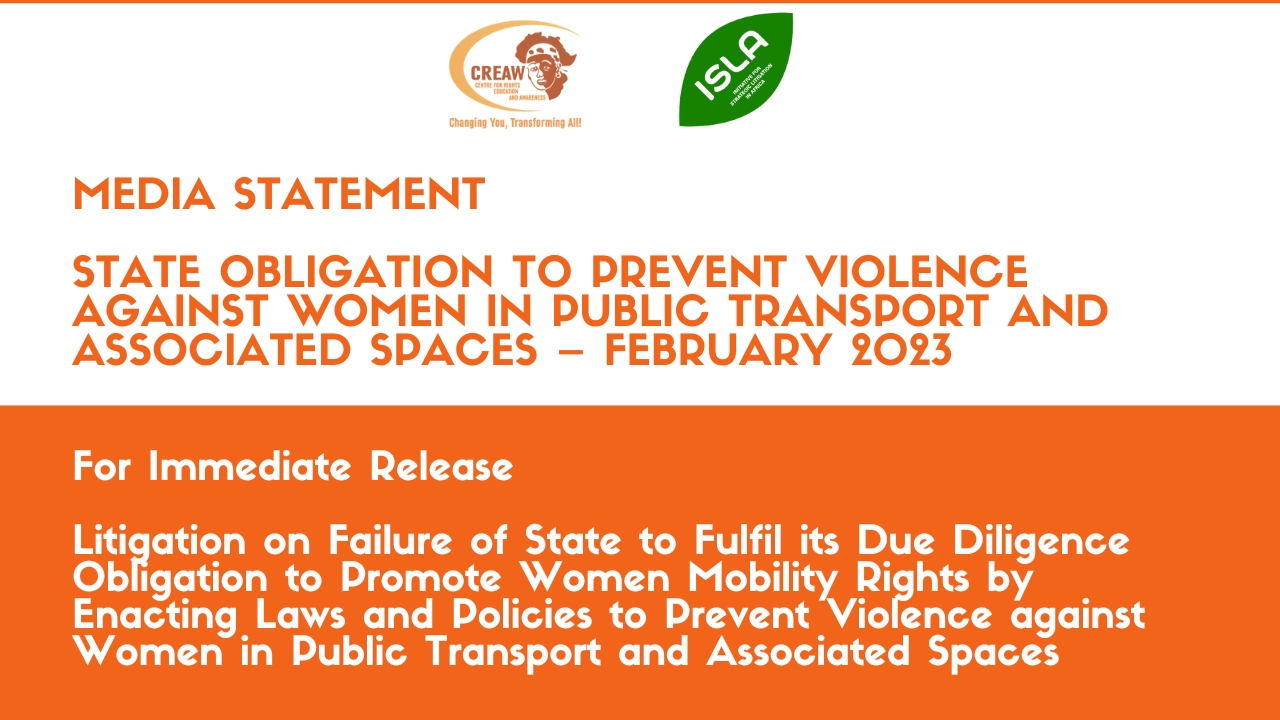
MEDIA STATEMENT
State Obligation To Prevent Violence against Women in Public Transport and Associated Spaces – February 2023 

For Immediate Release

Litigation on Failure of State to Fulfil its Due Diligence Obligation to Promote Women Mobility Rights by Enacting Laws and Policies to Prevent Violence against Women in Public Transport and Associated Spaces.

Nairobi, Kenya
On 9th December 2022, the Centre for Rights Education & Awareness (CREAW) and Wairimu Muthoni Wachira, a survivor of gender-based violence in public transport, filed a case at  the Constitutional and Human Rights Division of the High Court of Kenya, that is, HCCHR PET E538/2022 – Wairimu Muthoni Wachirah & Centre for Rights Education & Awareness (CREAW) vs the Attorney General and others.

The petitioners seek to hold the state accountable for the failure to promote and protect women’s mobility rights in Kenya by enacting laws and policies that protect women from violence when using  public transport and associated spaces. This case intends to cure the longstanding challenge in Kenya of women experiencing various forms of violence from in public transport and associated spaces. Most of this cases usually go unreported or where reports are made, no action is taken. Where there is public outcry over an incident of violence in public transport and associated spaces, a public perception is often created that the state is responding to the incident. In some instances, a criminal investigation will be initiated but this is rarely the case.

This case seeks to create a wider social impact through enactment of laws that will ensure that women exercise their right to freedom of movement devoid of any form of violence. It also seeks to create jurisprudence on mobility rights for users of public transportation services and clarify the state obligation.

This case was placed before Hon. Lady Justice M. Thande on 14th December 2022 where the court directed that the matter be mentioned on 7th February 2023 for directions. The petitioners are represented by Winfred Odali who is an alumni of ISLA’s Feminist Litigation Network. The Initiative for Strategic Litigation in Africa (ISLA) is acting as advisor to counsel.

ISLA’s Feminist Litigation Network (FLN) aims to develop a pool of African feminist strategic litigators. ISLA achieves this by investing in partner organizations and a raft of capacity strengthening activities such as the strategic litigation institute. Winfred works as a Junior Feminist Lawyer at ISLA where she is steadily developing a portfolio of cases to support FLN partner organizations such as CREAW in holding the state accountable for the failure to protect women from violence, among others.

Join the conversation on social media by following:
#MobilityWithoutViolence
#EndVAWinPublicTransport

For further enquiries kindly contact:

Sibongile Ndashe
ISLA Acting Litigation Director
sibongile@the-isla.org

Winfred Odali
ISLA Junior Feminist Lawyer
winfred@the-isla.org


Jasiri-Brief-1280x960.jpg

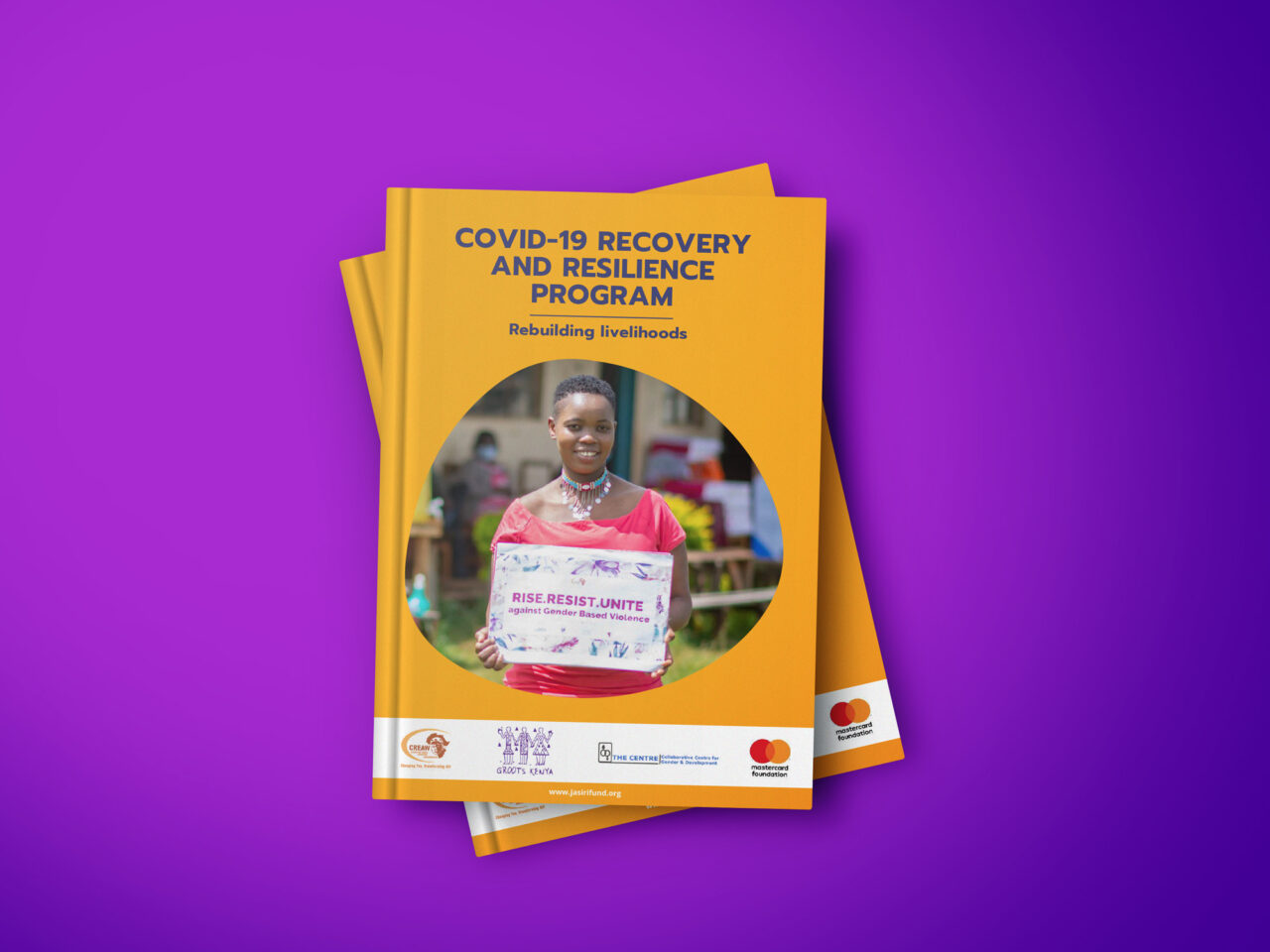
Centre for Rights Education and Awareness is leading a consortium that includes Collaborative Centre for Gender and Development and Groots Kenya. The consortium team jointly has established a women fund known as Jasiri Fund (Swahili word meaning `bold`). The overall objective is to support access to finance for 1000 survivors of Gender based violence as a means to strengthen survivors’ recovery and resilience in a sustainable manner. The fund works to support women, youths, people with disabilities who are survivors of gender-based violence by focusing on building their socio-economic resilience against economic shocks stemming from Covid-19 and household violence.

Jasiri fund is a $350,000 guarantee fund held by Kenya Women Micro Finance Bank (KWFT) being implemented in 10 counties in Kenya namely: Kajiado, Kakamega, Kiambu, Kilifi, Tana River, Nairobi, Mombasa, Kwale, Mandera and Busia.


Admission-as-amici-curiae-in-cases-1280x908.jpg

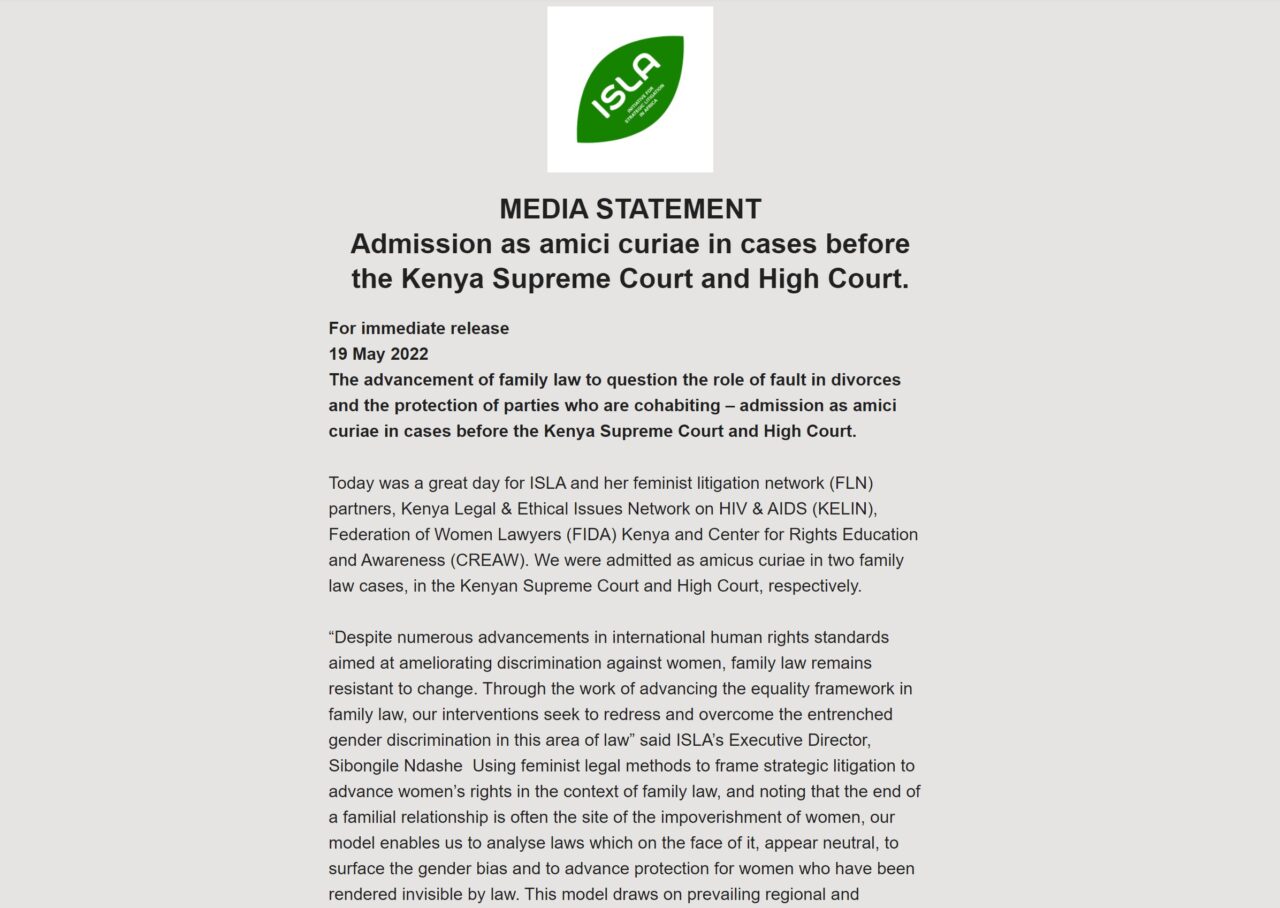
For immediate release
19 May 2022
The advancement of family law to question the role of fault in divorces and the protection of parties who are cohabiting – admission as amici curiae in cases before the Kenya Supreme Court and High Court.

Today was a great day for ISLA and her feminist litigation network (FLN) partners, Kenya Legal & Ethical Issues Network on HIV & AIDS (KELIN), Federation of Women Lawyers (FIDA) Kenya and Center for Rights Education and Awareness (CREAW). We were admitted as amicus curiae in two family law cases, in the Kenyan Supreme Court and High Court, respectively.

“Despite numerous advancements in international human rights standards aimed at ameliorating discrimination against women, family law remains resistant to change. Through the work of advancing the equality framework in family law, our interventions seek to redress and overcome the entrenched gender discrimination in this area of law” said ISLA’s Executive Director, Sibongile Ndashe  Using feminist legal methods to frame strategic litigation to advance women’s rights in the context of family law, and noting that the end of a familial relationship is often the site of the impoverishment of women, our model enables us to analyse laws which on the face of it, appear neutral, to surface the gender bias and to advance protection for women who have been rendered invisible by law. This model draws on prevailing regional and international standards to highlight the failure to legislate and the insufficiency in domestic law-making efforts. “Family law is an area of work where strategic litigation can yield much needed gains to bring about social change, which can be used to address the pervasive discrimination and inequality the women face when trying to assert their right to own, control, use, and access land and property.” Said Nyokabi Njongu KELIN’s litigation Counsel.

In Constitutional Petition No E075 of 2022 Coppler Attorneys & Consultancy v The Attorney General & The National Assembly, the Petitioners seek to have a right to divorce by consent recognized and protected by the Court. They seek to enforce Article 45 (2) of the Constitution which provides for the right to marry based on consent of the parties. The Petitioners’ case, which seeks to depart from the fault-based system of divorce, currently followed by Kenya, is that parties should similarly be allowed to divorce by consent. They seek to declare Part X of the Marriage Act 2014 which provides for the grounds that a party must satisfy in order to be granted divorce in a court of law. In this case, the Kenyan High Court has admitted ISLA along with FIDA-Kenya as co amici. In a brief to be filed with Court in the next 21days, the joint amici note that the case raised critical questions on the nature and extent of a state’s obligations to protect and remove gendered discriminatory provisions and guarantee the right to equal protection of the law in matrimonial laws, the joint amici are of the view that the historical evolution of the laws which provide for fault as a basis for divorce, along with their purpose, is critical in a court’s determination on the function of such laws. They will illustrate this to the court with the use of comparative law reforms and jurisprudence, which will contextualize the development of fault-based divorce as a system; and illustrate divorce reforms from fault-based to no fault.

In the Supreme Court petition no. 9 (E011) of 2021  Mary Nyambura Kangara v Paul Ogari Mayaka, the appeal raises questions concerning the nature and extent of states’ obligations to ensure the protection of various relationships which are not marriages, but which function as family forming unions. In this case, as amicus, ISLA’s submissions will aid the court in appreciating legal framework for the protection of parties in cohabiting relationships and highlight the application of the right to equality and the gendered impact of division of property in various intimate relationships.

Our FLN aims to develop a pool of African feminist strategic litigators.  We do this by investing in partner organisations and a raft of capacity strengthening activities such us the ongoing litigation institute.  In the two cases in which we were today admitted as amicus, we worked with network lawyers based in these three organisations, Nyokabi Njogu, Janet Anyango, who are part of our second cohort of FLN partners and Beatrice Njeri and, Carolene Kituku, who are our FLNFLN alumni,  to frame interventions which would provide the court with information which the courts will use in arriving at determinations which are consistent with the Constitution. The counsel on record for ISLA and FIDA-K in the High Court case is Beatrice Njeri, strategic litigation counsel in CREAW. The counsel on record in the Supreme Court case is Nyokabi Njogu, strategic litigation counsel in KELIN.

For further enquiries kindly contact
Lesego Nchunga
ISLA Women’s Socio-economic Rights Lawyer
lesego@the-isla


Comparative-ISLA-1280x1803.jpg

Amicus curiae interventions have contributed to the development of landmark feminist jurisprudence before domestic and international fora. The work of feminists continues to show how the law is gendered and imagine how a just and equal world can be shaped using the law. This publication is the first of a multi-phase process that seeks to understand the opportunities and challenges of using amicus curiae before domestic courts in the continent. Other phases will provide an in-depth comparative analysis of the practice before the various continental accountability mechanisms. Finally, this project seeks to achieve the development of a model law on amicus curiae to standardise the practice and develop a shared understanding on the role of these briefs.

The development of gender equality jurisprudence remains a contested terrain. Courts struggle to understand substantive equality for women in a range of factors. In the first wave of constitutions
in common law Africa there was the persistent claw-back clause that provided the right to be free from discrimination and proceeded to claw-back on personal and family law. These made a number of
gender discriminatory laws and practices continue thriving.


Gaps-and-Challenges-1280x853.jpg

Sexual and Gender based Violence remains an endemic problem that disproportionally affects women and children. Emerging data and reports from those on the frontline have shown that cases of SGBV take long to be prosecuted and most of the time the cases are prosecuted without using a gender lens at all levels of the criminal justice system. This lack of accountability to survivors of Sexual and Gender based violence (SGBV) means that there is delayed and at times denied justice that violates human and women rights as articulated by the various laws and policies provided for at the local and global levels.

Download PDF


Isiolo-Gender-Policy-1280x853.jpg

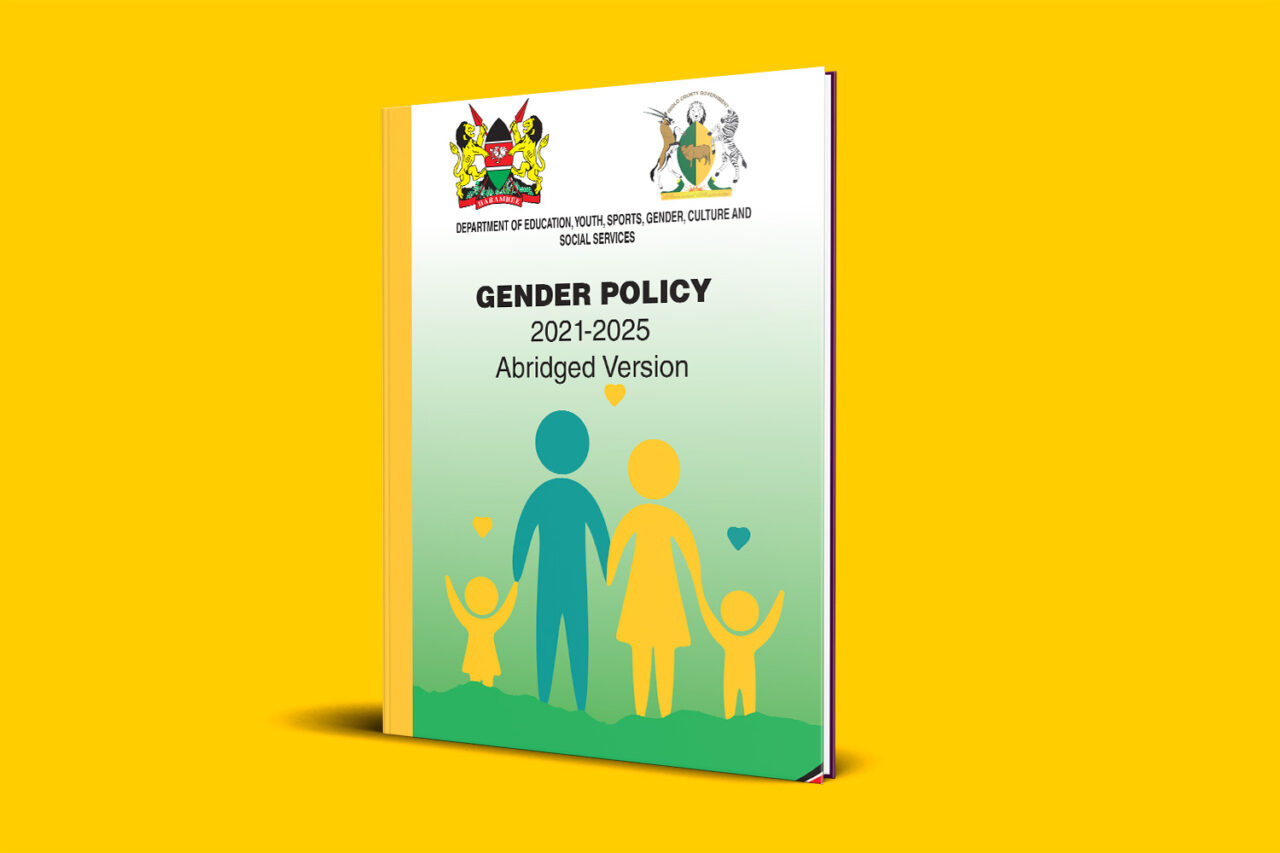
The Gender Policy Vision
The vision of this policy is a just society where men, women, boys, and girls live free of negative discrimination, marginalization, disempowerment, and violence and instead enjoy equal rights and opportunities in social, economic, and political domains of life.

Overall objective
To guide institutionalization and operationalization of gender mainstreaming in all sectors of County Government functions.

Specific objectives
a) Engender County policies and laws with the Constitution and domesticated international and regional treaties, conventions, protocols, and commitments to promote gender equality.
b) Provide a framework to integrate and mainstream gender equality and empowerment approaches into the County’s development planning and budgeting and the resultant
c) Promote and support the rights-based approach across all sectors bearing in mind that gender is a cross-cutting issue.
d) Eliminate all forms of Sexual Gender-Based Violence (SGBV) through consultative and inclusive preventive and responsive strategies and mechanisms.
e) Strengthen institutional structures to collect and analyze gender disaggregated data.
f) Define institutional frameworks and performance indicators for effective tracking, monitoring, evaluation, and reporting the implementation of gender equality and empowerment principles.

Isiolo County - Gender Policy (Abridged Version)


IPV-Report-1280x853.jpg

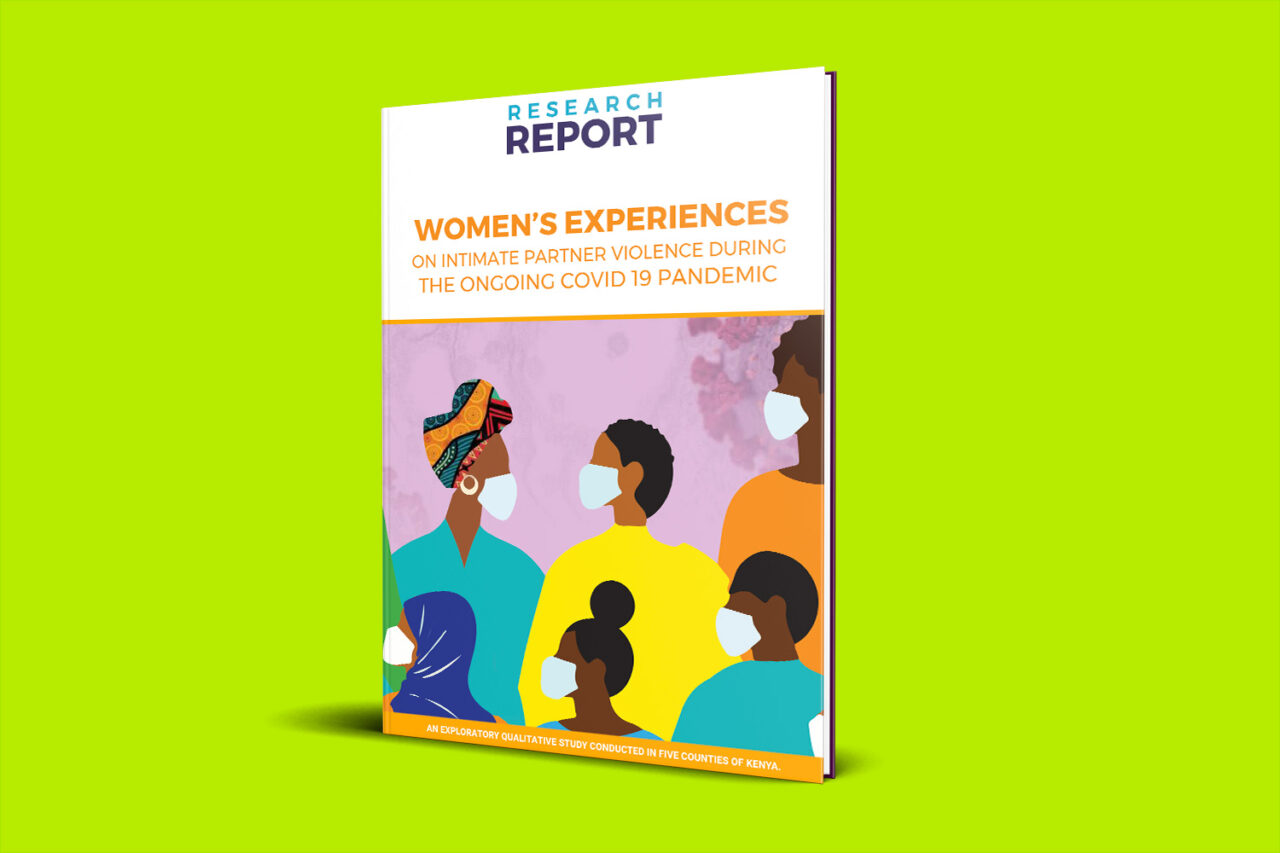
Emerging data and reports from those on the frontline have shown that all types of violence against women and girls, particularly domestic violence, have intensified since the start of the COVID-19 pandemic. However, most of the literature in Kenya on COVID-19 and Gender-Based Violence has been anecdotal from commentaries, organizational reports, and news sources. Additionally, the reports have mainly focused on the number of intimate partner violence (IPV) cases with limited
information to help understand the risk factors of violence and the support available for the survivors.

The Centre for Rights Education and Awareness (CREAW) conducted this qualitative study between June 2021 to July 2021 in Nairobi, Isiolo, Narok, Mombasa, and Kilifi counties in Kenya. The objective of this study was to understand women’s experiences of IPV during the ongoing COVID 19 Pandemic with a view of identifying common drivers and risk factors and interventions that worked well in preventing and responding to IPV. Data were collected through key informant interviews
with 28 service providers, including government officials, Non-governmental Organizations staff and lawyers working on GBV, police officers, health providers, community and social workers and In-depth interviews with 26 women who have experienced IPV during the pandemic.


Linda-Haki-1280x1819.jpg

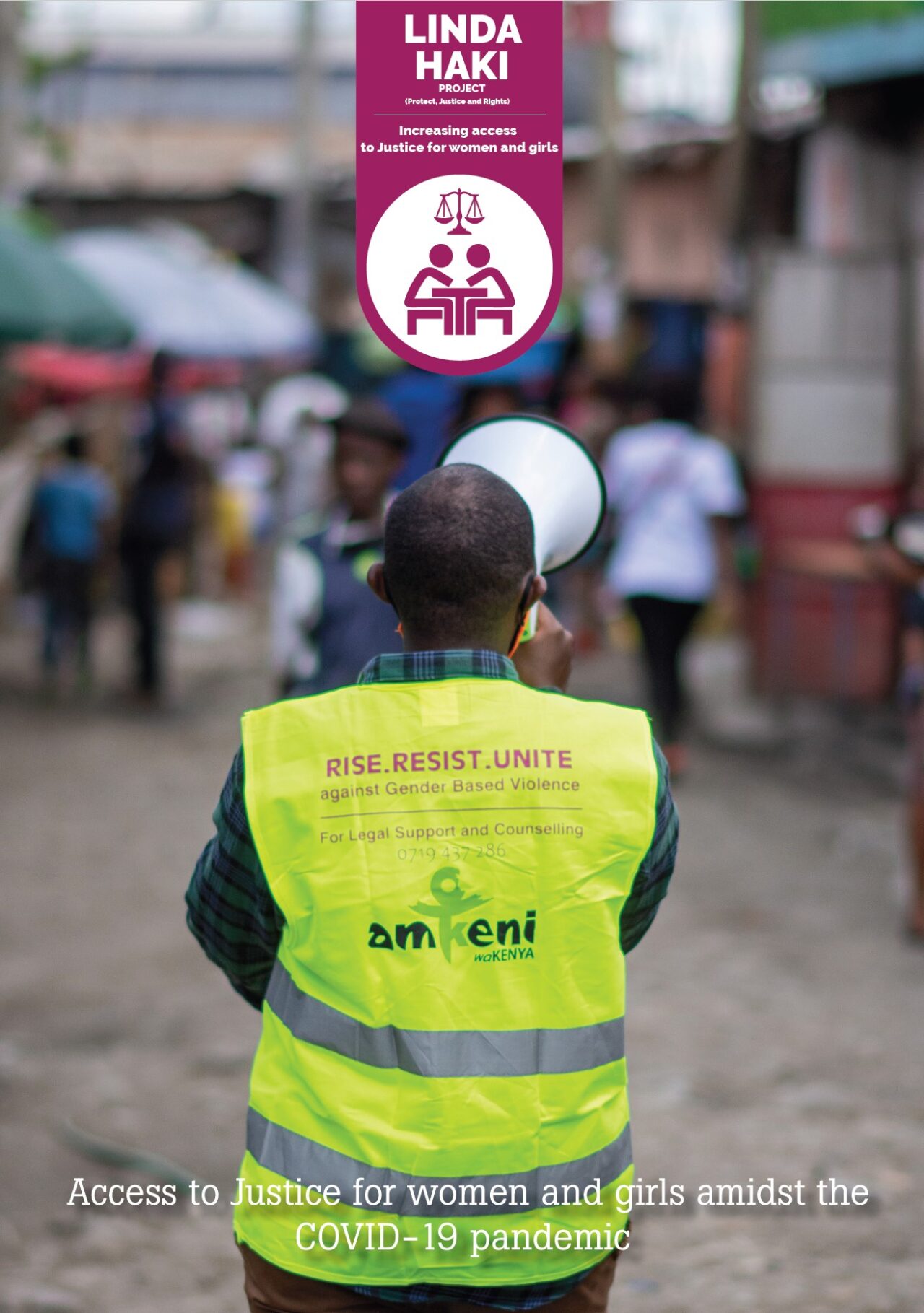
Despite the high number of Kenyans in need of legal aid services there still remains a significant challenge with accessing legal information, advice and legal representation. While the government does provide legal aid services to indigent persons, it does so in a limited manner.


Policare-1280x853.jpg

POLICARE is a one stop centre for victims of SGBV, housed at the National Police Service. Victims of sexual and gender-based violence need services that ease the pain of trauma they experience when they have been violated and helps them to cope and recover in the quickest possible time.

PURPOSE
The purpose of these SOPs is to outline clear procedures, roles and responsibilities for each actor involved in response to reported instances of SGBV. The aim is to achieve efficiency, quality output and uniformity of performance while reducing miscommunication.


Gaps-Enforcement-SOA-1280x853.jpg

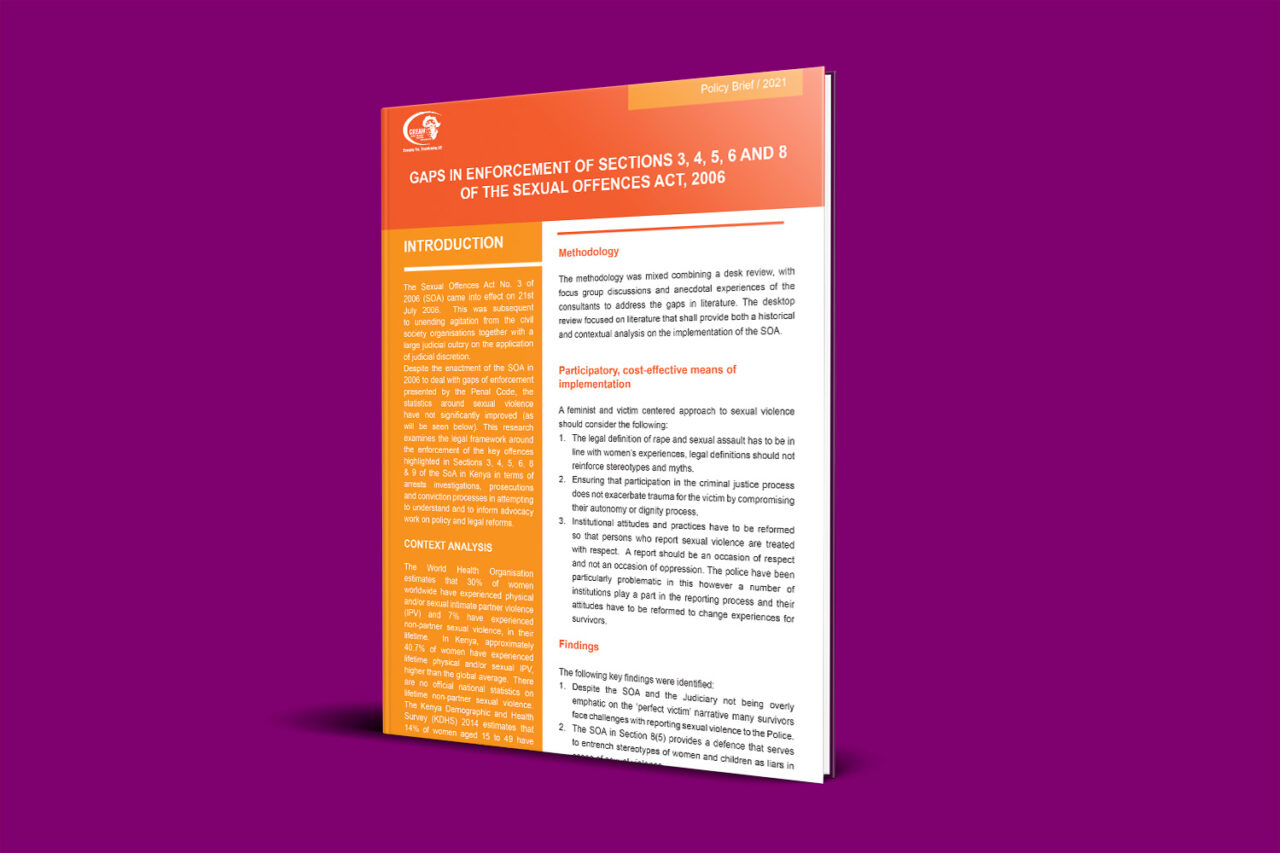
The Sexual Offences Act No. 3 of 2006 (SOA) came into effect on 21st July 2006. This was subsequent to unending agitation from the civil society organisations together with a large judicial outcry on the application of judicial discretion.
Despite the enactment of the SOA in 2006 to deal with gaps of enforcement presented by the Penal Code, the statistics around sexual violence have not significantly improved (as will be seen below). This research examines the legal framework around the enforcement of the key offences highlighted in Sections 3, 4, 5, 6, 8 & 9 of the SOA in Kenya in terms of arrests investigations, prosecutions and conviction processes in attempting to understand and to inform advocacy work on policy and legal reforms.