
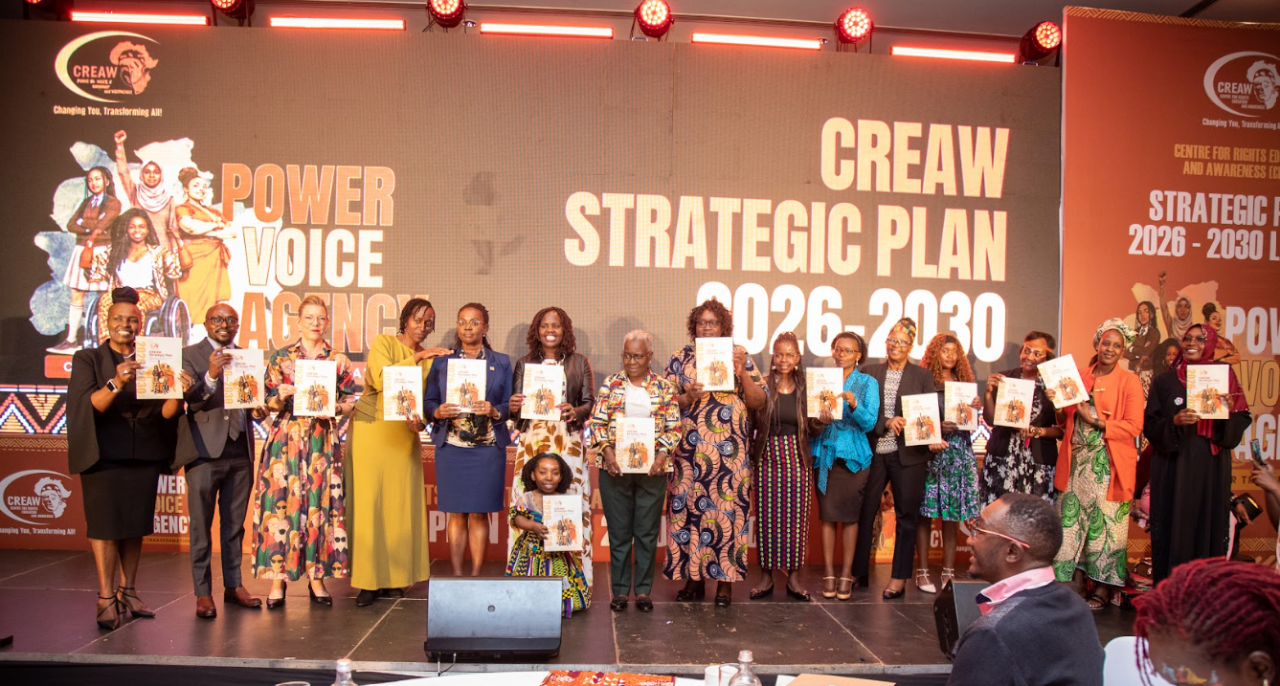
Nairobi, Kenya – May 2026 – The Centre for Rights Education and Awareness (CREAW) has launched its Strategic Plan 2026–2030, unveiling an ambitious five-year roadmap designed to tackle the root causes of femicide and gender-based violence (GBV) while advancing women’s rights, economic justice, and leadership across Kenya.
The launch convened government representatives, development partners, civil society organizations, grassroots women’s rights groups, activists, and the media, reflecting a shared commitment to addressing the escalating crisis of violence against women and girls. The strategy comes at a critical time as Kenya continues to grapple with rising cases of femicide and GBV, many of which occur within intimate and domestic settings, exposing persistent gaps in prevention, protection, and accountability systems.
Marking a significant shift in approach, the new strategy moves beyond traditional awareness-raising efforts toward deeper, systemic interventions aimed at transforming the social, cultural, and institutional factors that perpetuate violence. Anchored in feminist principles of justice, dignity, and equality, the plan prioritizes behavior change, survivor-centered programming, community engagement, and stronger accountability mechanisms to ensure women and girls can live free from violence.
Over the next five years, we will focus on ending all forms of violence against women and girls while advancing Sexual and Reproductive Health and Rights (SRHR), promoting women’s economic empowerment and resilience, strengthening women’s rights organizations and feminist movements, and expanding women’s leadership and participation in decision-making spaces. We also plan to deepen its work with community leaders, youth groups, faith institutions, schools, and women-led organizations to challenge harmful social norms and foster gender equality at the grassroots level.
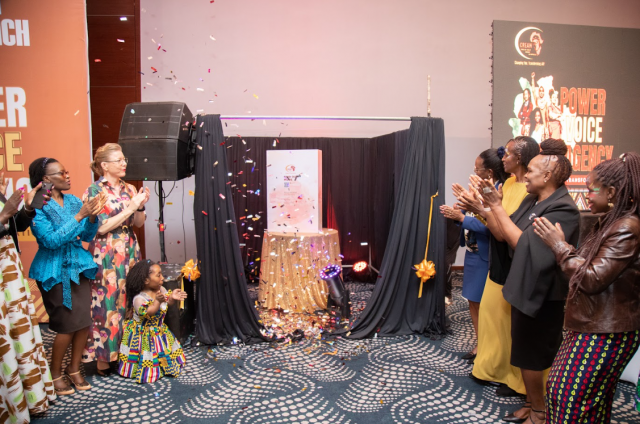
The strategy is backed by ambitious targets. By 2030, CREAW aims to support more than 228,000 women and girls to live free from violence, enable over 200,000 women and girls to access SRHR information and services, help more than 60,000 women access economic opportunities and resources, and support nearly 50,000 women and girls to take up leadership and decision-making roles. We have also reaffirmed our commitment to strengthening Women’s Rights Organizations through flexible funding, capacity development, and sustainability initiatives.
Speaking during the launch, CREAW Executive Director Wangechi Wachira described the strategy as both a reflection of the organization’s 26-year journey and a forward-looking commitment to deepening impact. She noted that CREAW’s growth has been shaped by partnerships with communities, survivors, and allies working collectively to advance gender justice across Kenya.
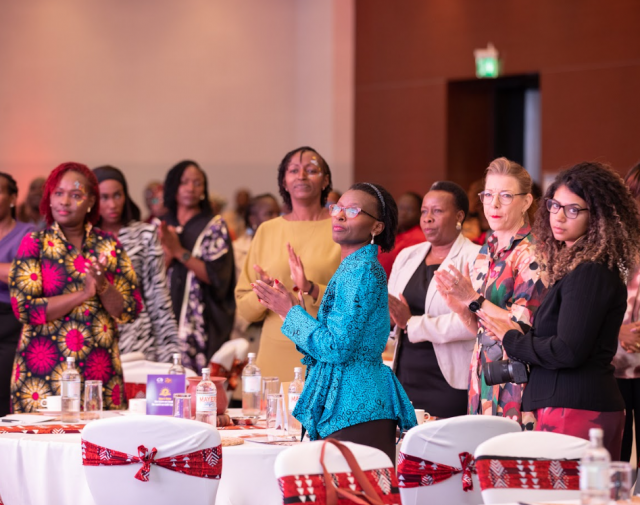
Echoing the need for a more transformative approach, CREAW’s Partnerships lead, Angelina Cikanda, emphasized the importance of addressing the cultural and behavioral norms that continue to normalize violence.
She called for gender-transformative approaches that engage both men and women in rethinking masculinity, relationships, and conflict resolution, stressing that legal frameworks alone cannot end violence without broader social and cultural change.
Also speaking at the launch, Principal Secretary for Gender and Affirmative Action Anne Wang’ombe underscored the importance of multi-sectoral collaboration and effective implementation of existing laws and policies.
As stakeholders renewed their commitment to collective action, the strategy was presented as a bold roadmap for building a future where women and girls live with dignity, safety, and equal opportunity.
Access the full Strategic Plan 2026–2030 here.