Portfolio Archive - Page 2 of 3 - CREAW KENYA

Policy-Brief-Walk-The-Talk-1280x853.jpg

Kenya is a signatory to the key international women’s human rights agreements. These include the Convention on the Elimination of All Forms of Discrimination Against Women (CEDAW), the Beijing Declaration and Platform for Action (BPFA), and the Sustainable Development Goals (SDG). In addition, Kenya has made great strides in developing and implementing SGBV legal and policy frameworks and programmes. In May 2021, the Government of Kenya unveiled its road map for advancing Gender Equality and ending all forms of Gender-Based Violence (GBV) and Female Genital Mutilation (FGM). Despite this progress, most policy and programme efforts have focused on violence against women and girls (VAWG) response initiatives. Less attention has been given to initiatives that reduce or stop violence before it starts.

Rapid-Multisectoral-GBV-Assessment-Report-Kitui.jpg

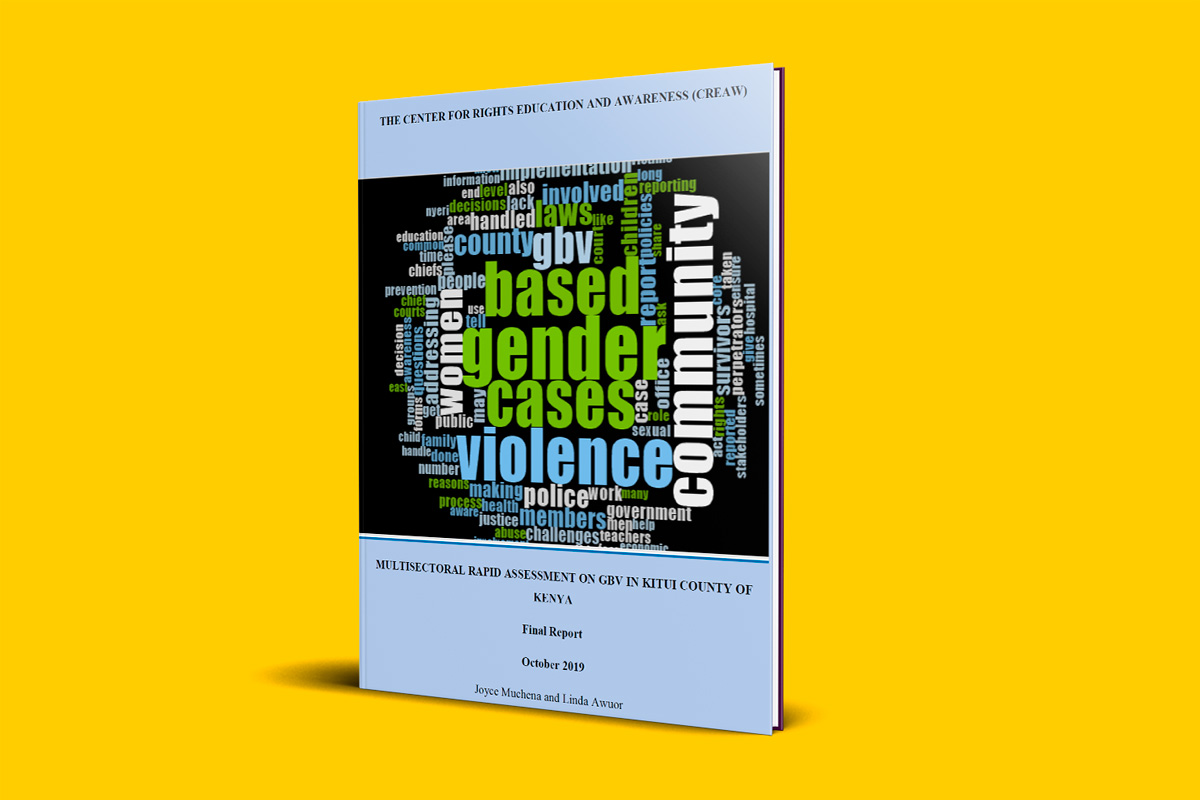
The Center for Rights Education and Awareness (CREAW) undertook a rapid multi-sectoral assessment of Gender based violence (GBV) in Kitui and Nyeri Counties in August and September 2019. This report brings out structural, systemic and environmental challenges limiting effective implementation of GBV laws in Kitui County and reflects on how women are included in various in decisions on addressing gender based violence. The report further outlines how the community at large is in involved in addressing GBV and provides a discussion on community perceptions on accountability by public authorities implementing GBV laws and policies. The main content of the report covers the background context of Kitui
County in regard to GBV prevention and response, key findings, conclusions and recommendations.


Rapid-Multisectoral-Assessment-Nyeri-Report.jpg

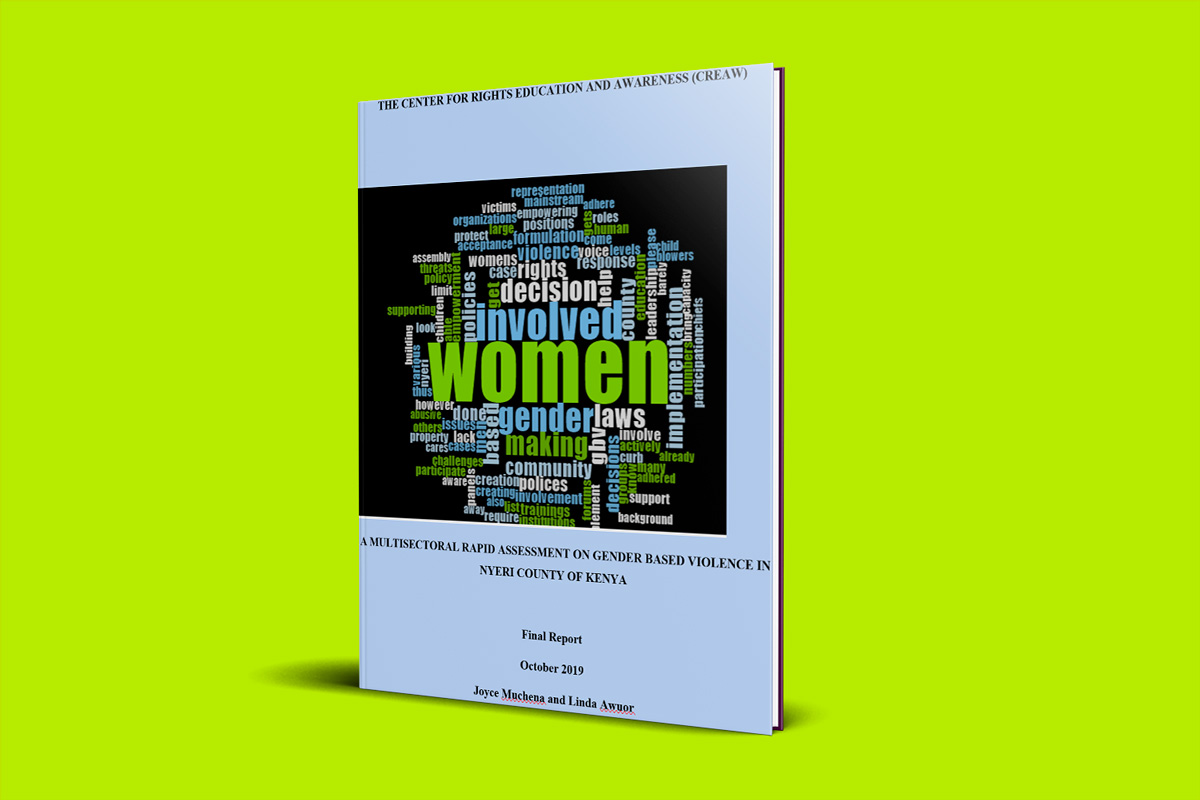
The Center for Rights Education and Awareness (CREAW) undertook a rapid multi-sectoral assessment of Gender based violence (GBV) in Kitui and Nyeri Counties in August and September 2019. This report brings out structural, systemic and environmental challenges limiting effective implementation of GBV laws in Nyeri County and reflects on ways in which women are included or excluded in various decisions geared towards addressing gender based violence from the grassroots to the County Headquarters. The report further outlines how the community at large is involved in addressing GBV and provides a discussion on community perceptions on the accountability of public authorities in implementing GBV laws and policies. The main content of the report covers the background context of Nyeri County in regard to GBV prevention and response, key findings, conclusions and recommendations.

In Nyeri County, violence against women(mainly wife battering) and neglect of children and what appears to be a calamitous case of absentee fathers stick out as significantly rampant forms and contributors to gender based violence in Nyeri County. The assessment revealed a vibrant multi-sectorial gender-based violence working group at the County headquarter level, but also a clear gap in reporting and documenting of GBV cases especially in the interior parts of the County. This poses a challenge in determining the prevalence and impact of gender based violence in its various forms as well as appreciating existing mechanisms for GBV prevention and response. A majority of women interviewed were not conversant with the laws and policies for prevention and response to various forms of GBV. While Nyeri County has been on the receiving end of negative press depicting women as the main perpetrators of intimate partner violence, especially at the domestic front, in comparison to other Counties in Kenya, interviews with both law enforcement agents and the community members, revealed that women continue to suffer disproportionately in the hands of their male partners both at home and in social places. Most respondents were confident that educating women and supporting them to cascade the knowledge to the villages would greatly facilitate the much needed awareness on GBV prevention and response in the community. Further, mobilizing a multi-sectoral forum that convenes regularly at both the county and sub-county levels could go a long way in ensuring and holistic prevention of and response to GBV.


Kilifi-County-Gender-Technical-Working-Group-TOR-1280x853.jpg

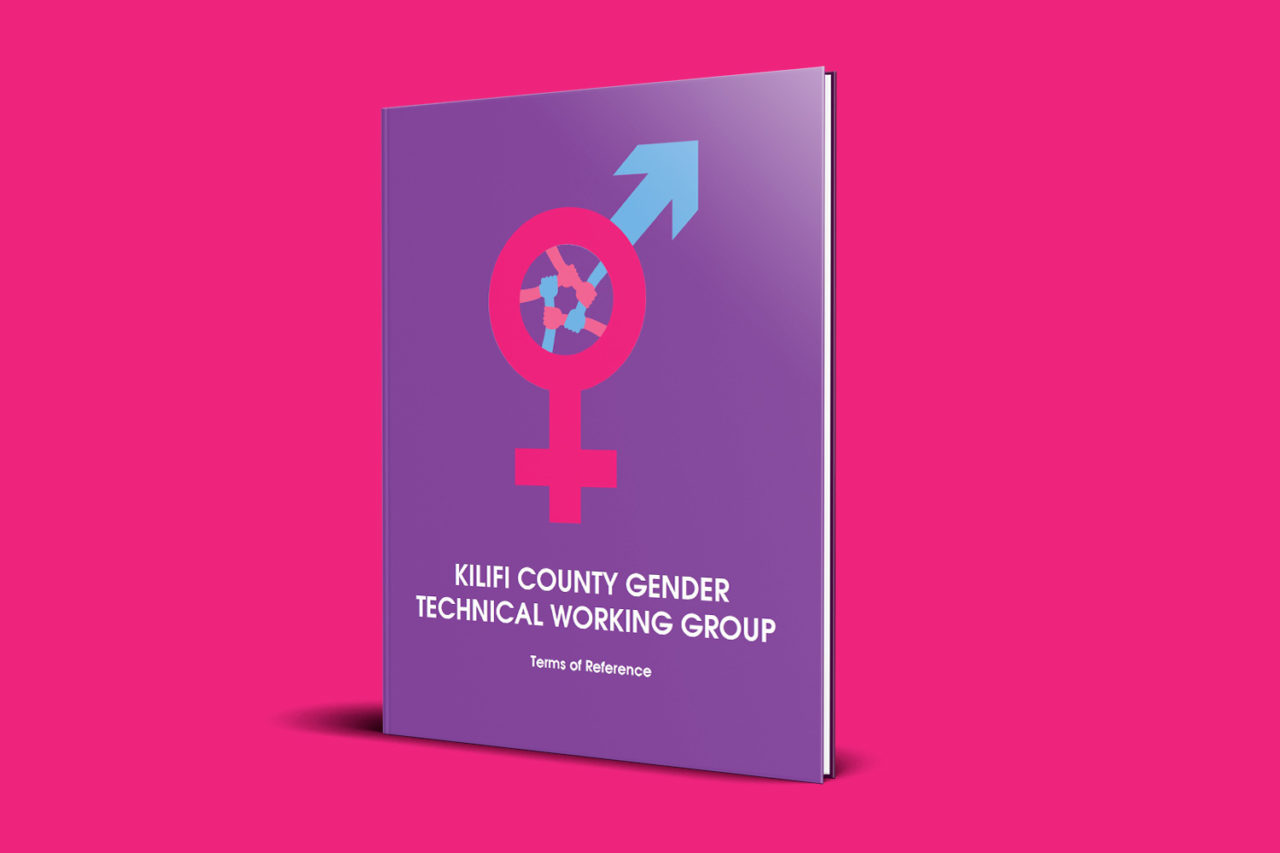
Kilifi County is committed to ensuring that Gender issues are addressed effectively and efficiently this includes; Gender Mainstreaming, Gender Responsive Budgeting, Male Engagement, Women Empowerment, and Gender Based Violence. The County commits to developing, operationalizing and implementing a robust gender integration , and service delivery in all county departments ‘Towards a just, fair and responsive society characterized by meaningful engagement of all in decision making for sustainable development of Kilifi County’.


SGBV-Policy-Meru-County-Policy-1280x853.jpg

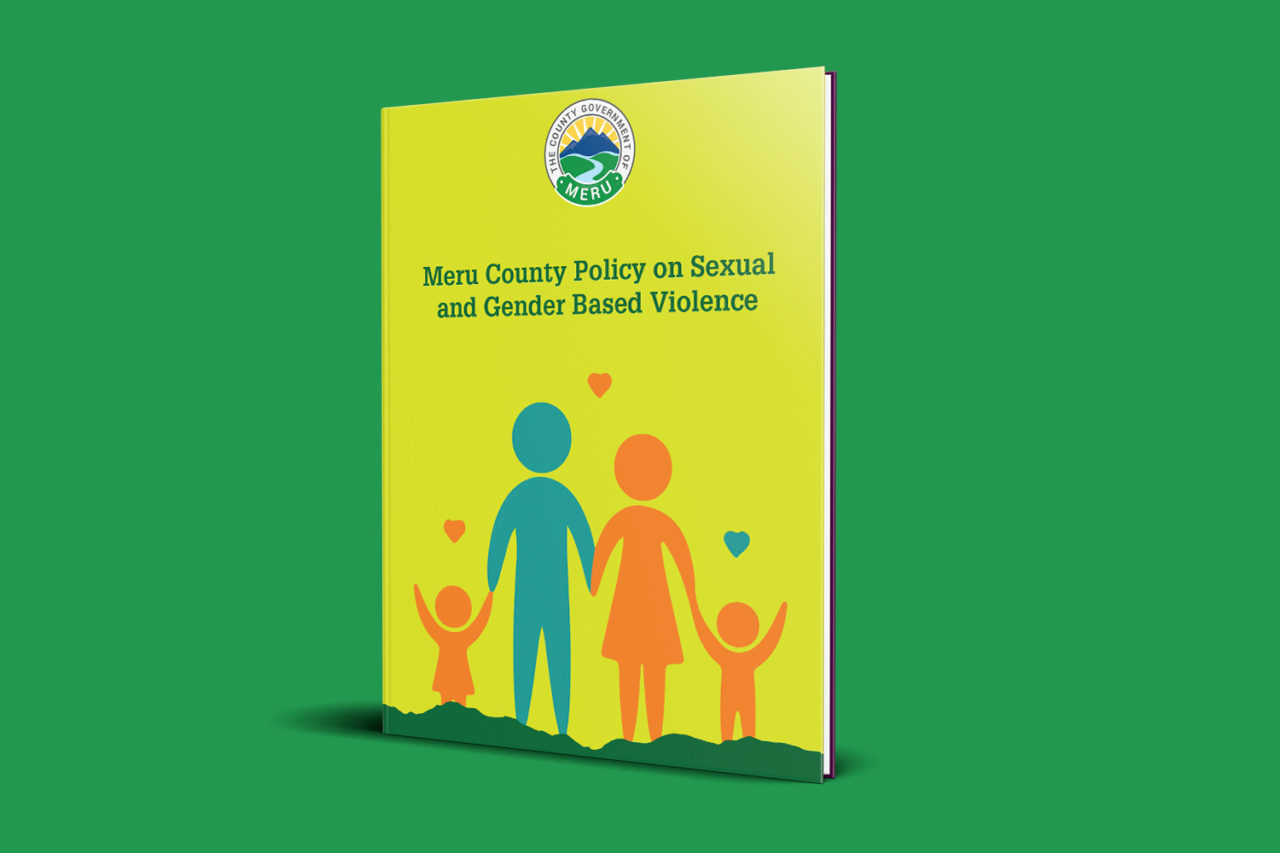
The Meru County Policy on Sexual and Gender based violence has been prepared in a background of a number of sexual and gender based violence cases facing girls, boys, women and men in Meru. The Policy addresses issues affecting gender and violence in relation to the social, political and
economic costs of all forms of violence against girls, boys, women and men and suggests ways of addressing them.

Violence against women and girls continues unabated in every continent, country and culture. It mostly takes a devastating toll on the women’s lives, on their families, and on society as a whole. Most societies prohibit such violence however the reality in most communities including our own
is that too often, it is covered up or tacitly condoned by members of the community. Sexual and gender based violence against women and girls is one of the most widespread violations of human rights in the country. It can include physical, sexual, psychological and economic abuse, and it cuts across boundaries of age, race, culture, wealth and geography. It takes place in the home, on the streets, in schools, the workplace and in farm fields.


journey-two-thirds-new-1280x853.jpg

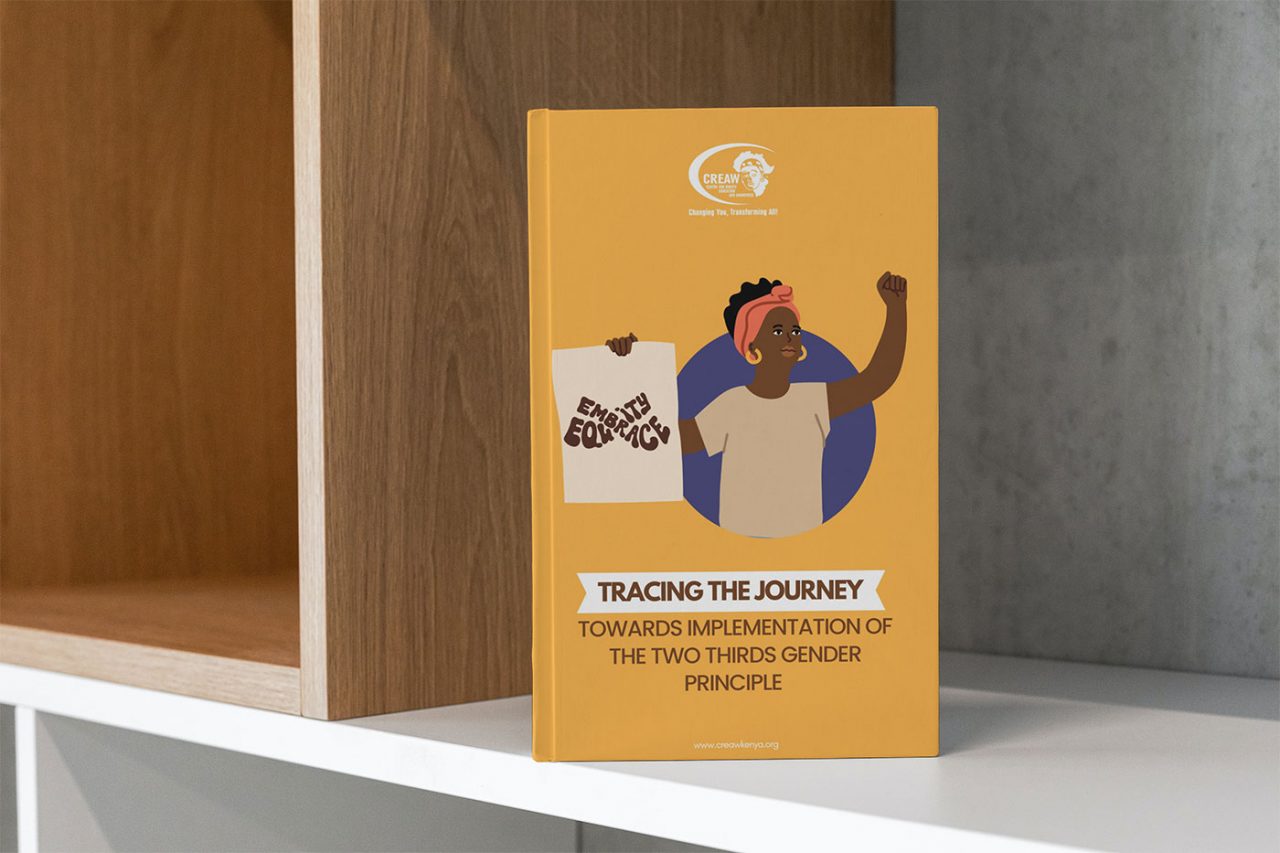
At the core of the Constitution of Kenya (COK, 2010) is the belief that there can only be real progress in society if all citizens participate fully in their governance, and that all, male and female, persons with disabilities (PWDs) and all previously marginalized and excluded groups are included in the affairs of the republic.

Specifically, the Constitution provides in Article 81 (b) that “the electoral system shall comply with the principle that not more than two-thirds of the members of elective public bodies shall be of the same gender”. The persistent challenge has been on how to actualize this core commitment in Kenya’s National Assembly and Senate as prescribed. This publication traces the efforts to implement the commitment through legislation.

Women have been historically and systematically marginalized through distinct social and legal imperfections that relegated them to the periphery of public political life. The post-independence context in Kenya is particularly important in assessing the struggle for inclusion of women in political and electoral processes.


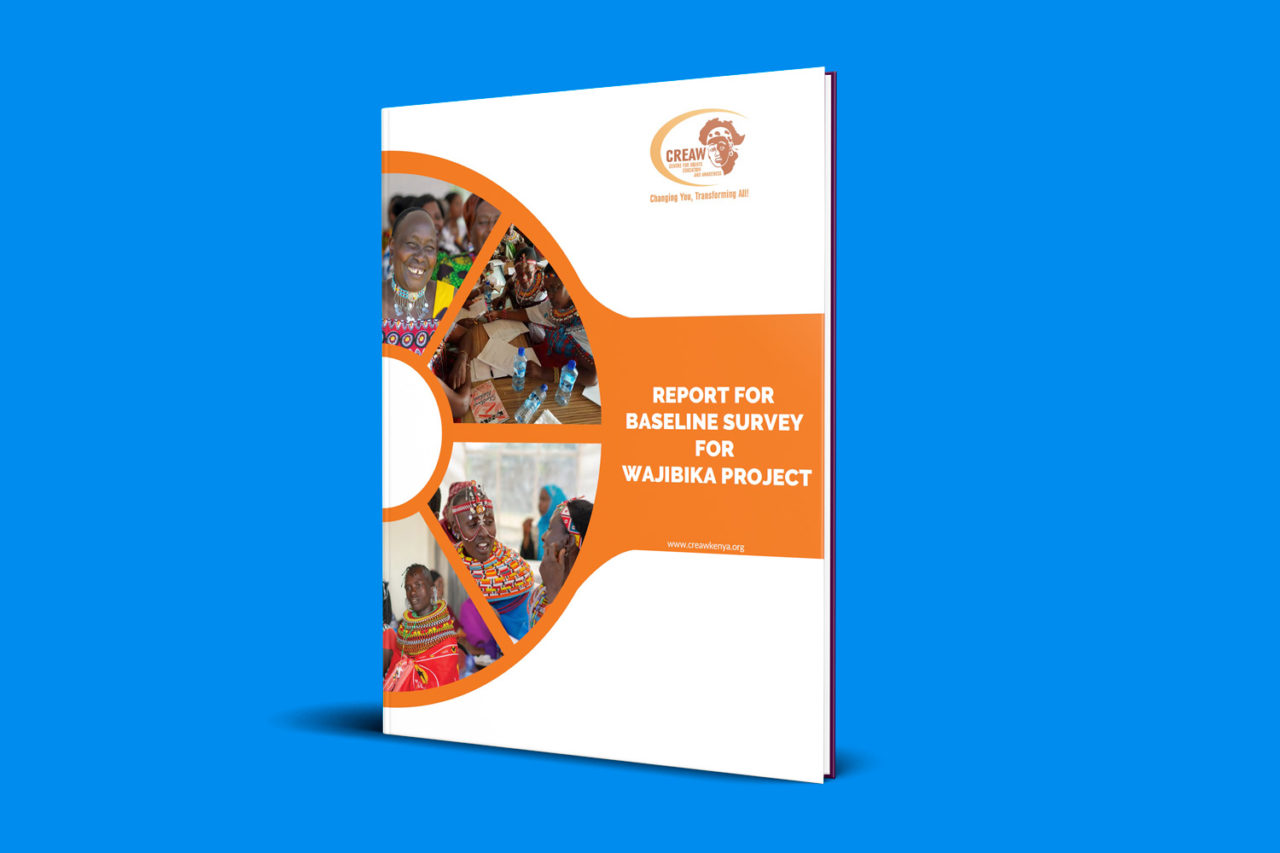
Baseline-Report-on-GBV-Wajibika-Project-1280x853.jpg

The baseline study for the Wajibika Project sought to establish the status on Violence against Women/Girls (VAWG). Wajibika Project is implemented by CREAW in partnership with Kenya Women Parliamentary Association (KEWOPA). The baseline was carried out in the project counties i.e. Nairobi (National), Isiolo and Narok Counties.


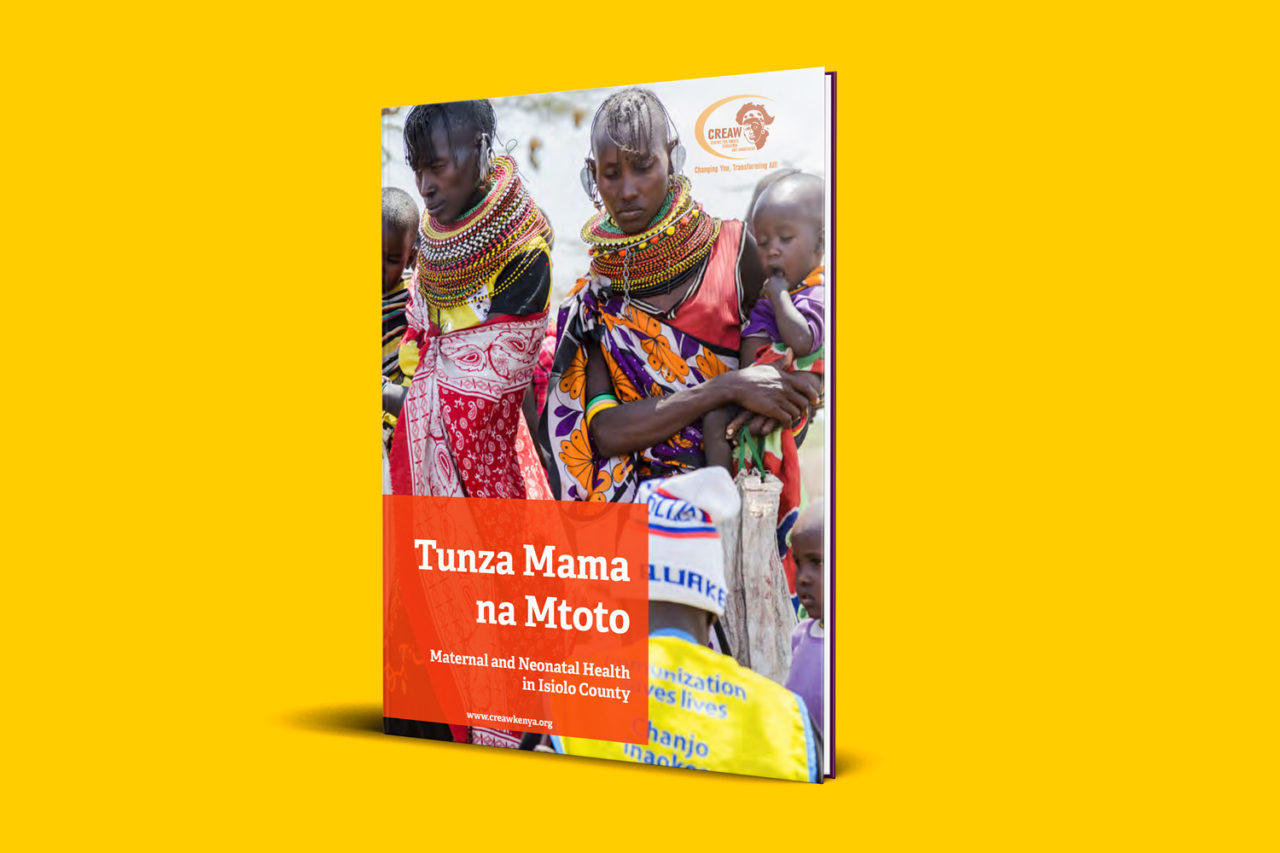
MNH-1280x853.jpg

CREAW’s Maternal and Neonatal Health (MNH) program dubbed Tunza Mama Na Mtoto, which translate to “care for the mother and her newborn baby” is implemented in partnership with Anglican development services of Mt Kenya East (ADSMKE) through funding from DFID and Christian Aid in Isiolo County. The project aims at improving maternal and newborn health outcome for vulnerable women and babies. The project works to increase demand, access, and uptake of quality MNH services within the targeted 32 health facilities in Garbatula, Merti and Isiolo Central subcounties through empowerment of women and girls to make healthy MNH choices, sensitization of communities to stem the barriers that prevent access to MNH services and enhance accountability of MNH services at all levels.


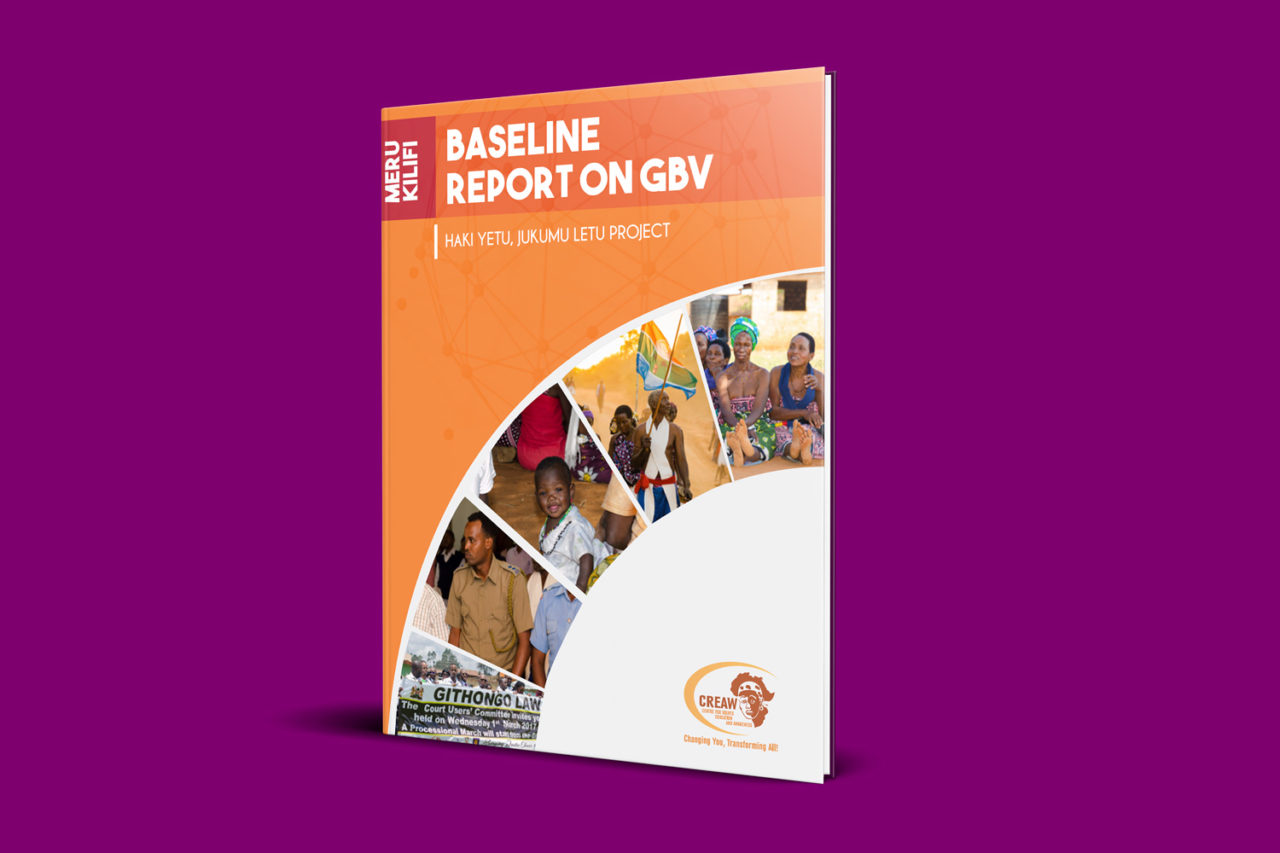
Baseline-Report-on-GBV-Haki-Yetu-Jukumu-Letu-1280x853.jpg

The baseline report on ‘Haki Yetu, Jukumu Letu’ Gender Based Violence in Meru and Kilifi Counties is one among these initiatives that aims to support policymakers and relevant institutions in their efforts to combat and prevent gender based violence in Kenya. It provides comparable data
and information for effective, evidence-based project planning, decision-making and policy and legislation improvement among other core goals of this report. It further seeks to identify the challenges in operationalization and their impact on effectiveness so as to inform the strategies and interventions of criminal justice system actors in particular and thereby guide the coordination of efforts going forward within the target Counties where the project is being implemented.