
October 2, 2021by CREAW
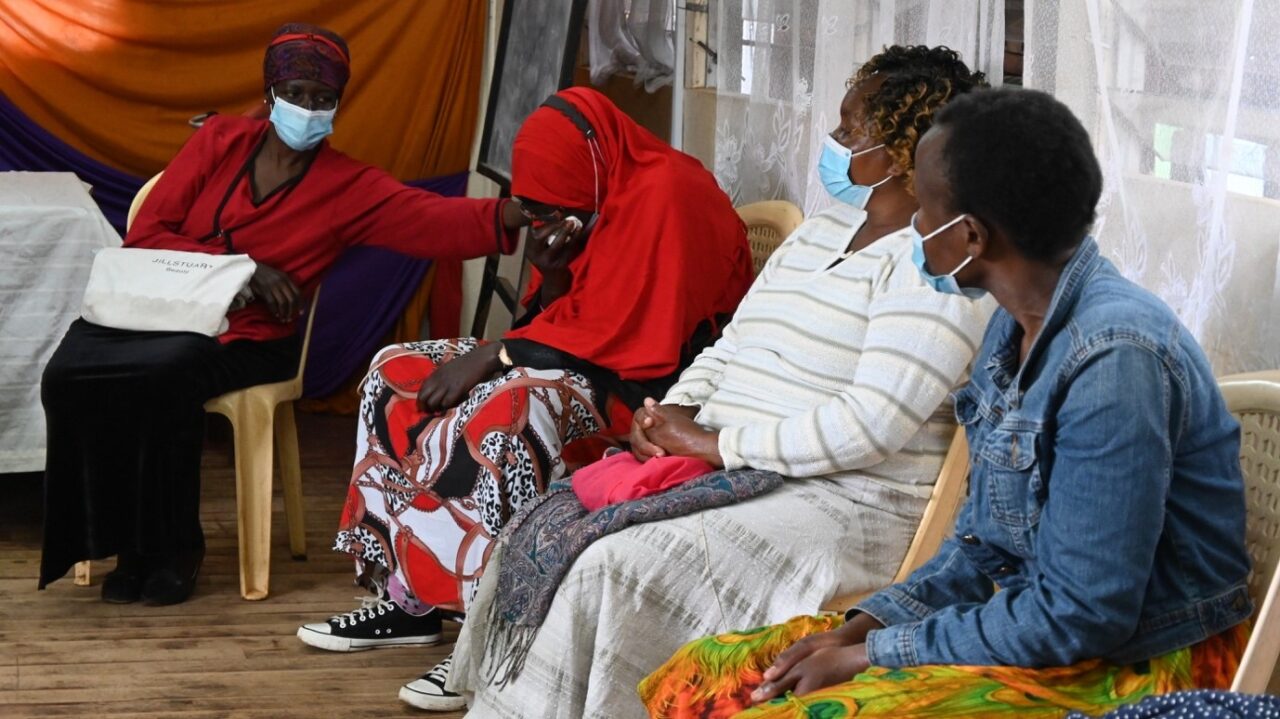
On this cold chilly morning, a group of women met in Mchanganyiko social hall in Kibera. As I approach the hall, I am welcomed by murmurs. A group of 12 women, seat pensively, trying to create a rapport in pairs.
On this cold chilly morning, a group of women met in Mchanganyiko social hall in Kibera. As I approach the hall, I am welcomed by murmurs. A group of 12 women, seat pensively, trying to create a rapport in pairs.

The mother of two was now struggling to make ends meet at home as the sole bread winner. She says as the country was grappling with cushioning it’s citizens from the deadly virus, she was cushioning her home from disarray, as her husband had abandoned them when he could not support the family economically.

Getting into Kayole, an informal settlement within Nairobi, is not a walk in the park. The place is a beehive of activities, as everyone busies themselves with the hustle and bustle of eking a living. At the Masimba junction, we meet Raphaela Wangari, busy tidying up her shop. She has just received a new stock of eggs to add to what she had. Minutes later, her general store, commonly referred to as a duka, is a swam of activities as clients line up to buy basic commodities found at her shop.