Across the globe, women continue to deal with discrimination and gender-based violence. Kenya is no exception despite having a constitution that prohibit discrimination either directly or indirectly. UN Women estimates that gender-based violence impacts nearly 40% of Kenyan women. Sadly Women continue to bear the burden of unpaid domestic tasks, which can limit the long-term opportunities for women and girls.
In the workplace, women continue to occupy lower-paid positions with limited opportunities to progress, which increases their vulnerability to harassment and exploitation.
It is on this backdrop that Haki na Usalama project aimed at restoring dignity and justice for survivors of gender-based violence. CREAW in partnership with FEMNET, and Gender Violence Recovery Centre (GVRC) has been focusing on a multi-sectoral approach towards addressing rampant violence against women working in tea farms, women out-growers, grassroots women groups, men and youth, County government, and wider GBV state and non-state stakeholders who are key players, to improve the attitudes and behaviour related to women’s and girls’ rights and create viable economic spaces where they can enjoy their rights free from violence.

Through the GBV training using the SASA! model conducted on tea farmers, religious persons, and leaders of women groups, it emerged that cultural practices and traditions, poverty, polygamy, substance and drug abuse, tea bonuses, social protection stipends, and peer pressure were triggers of GBV. Sadly rape, defilement, forced sex, FGM, and wife-beating were the common forms of violence mentioned by participants.
“Sexual harassment has been happening within the tea buying centres. It is only that we did not know what to call it. Occasionally we experience inappropriate physical gestures, particularly tickling of palms while being greeted or even intentional rubbing of the breast while weighing tea,” says *Cherono (Not her real name) who is a tea out-grower in Kericho.
The knowledge gained from the training has enabled the trained champions of change to discuss GBV issues as well as organize for joint awareness sessions to speak to adolescent girls and boys during the school holiday.
 “My passion to speak about GBV since I was trained by CREAW has accorded me a platform to speak during chief barazas about the effects GBV has on the development of the community and this has inspired me to speak about prevention of GBV at every chance I get. I am now very important in my community and I have earned the title GBV woman (mama wa GBV)” Shares Margaret from Nyamira county.
The Gender committees are now more robust and targeted in their structures due to the Gender concepts and sexual harassment knowledge training that was conducted by CREAW. The training helped strengthen the Gender Committee in the tea factories which was recently constituted as per Rainforest Alliance Farm standards requirements.
“I feel that it is time for women to take up senior job positions in the tea factories. I believe that our gender committee can achieve this goal. The training has also helped me a lot as a family man. I have learned how to relate better with my spouse and children” says Felix Koskei a tea factory worker in Bomet.

The training also helped the factories identify the Gender-blind actions that need to be reviewed to ensure well-being of all the stakeholders within the Tea sector ranging from its staff, buyers, farmers and suppliers to increase tea productivity while upholding human rights as highlighted within the human resource policy.
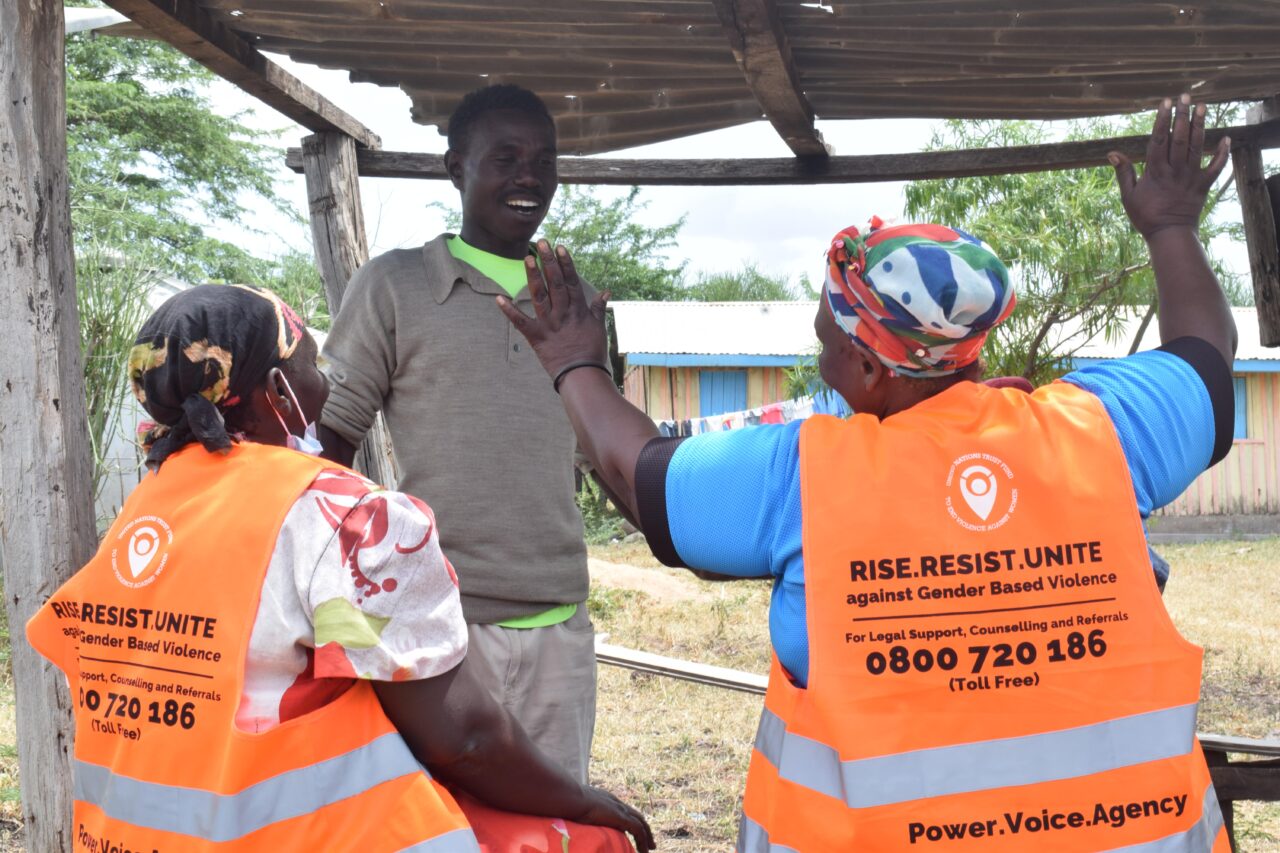
 Through his continuous engagement and active participation in the meetings, is when it dawned on him that he had not been supportive enough to his wife and children. Unfortunately, he would sometimes spend the little money he made as a boda boda operator in consuming alcohol.


 Speaking during the event, CREAW’s Executive Director Wangechi Wachira, emphasised the need for continuous collaborations amongst stakeholders, to push for economic justice for women in their places of work.

 Behind her enthusiastic baritone voice, is a woman who has battled many forces to secure her sanity and peace of mind. The Covid19 pandemic struck at a time when her business was struggling, worse still, she was not in talking terms with the father of her son. They had gone their separate ways.